How Avoidant Personality Disorder (AVPD) Affects Relationships—and How to Find Support


Understanding Avoidant Personality Disorder in Relationships
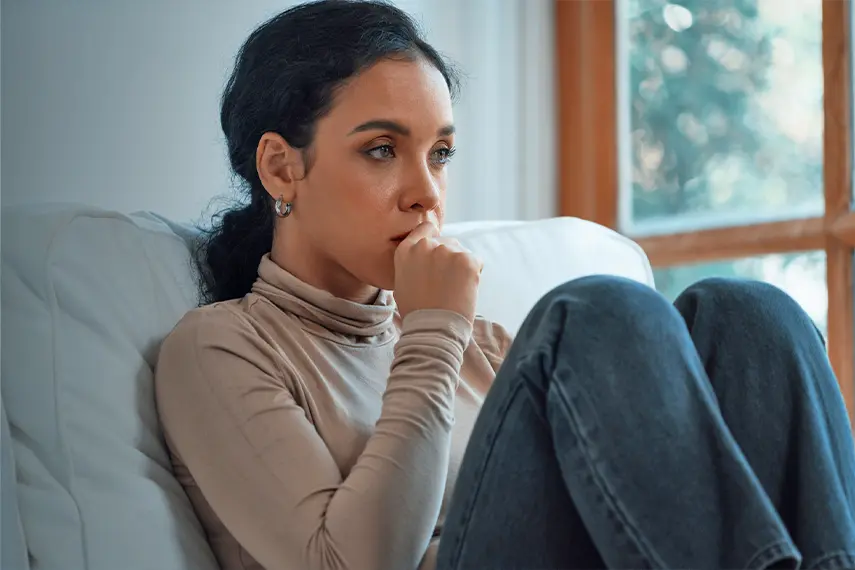
Avoidant Personality Disorder (AVPD) is a complex mental health condition marked by intense fears of rejection, criticism, and inadequacy. People with AVPD may appear withdrawn or uninterested in relationships, but the truth is often very different. Many long for connection and intimacy yet find it nearly impossible to overcome the worry that they will be judged, ridiculed, or abandoned.
This push and pull; desire for closeness combined with fear of rejection, can create significant challenges for relationships. Partners, family members, and friends often find themselves unsure of how to help or confused by behaviors that may seem distant or inconsistent.
Recognizing that these behaviors stem from Avoidant Personality Disorder, rather than lack of love or care, is the first step toward building compassion and understanding.
The Impact of AVPD on Intimate Relationships
Living with AVPD often means navigating relationships with constant self-doubt. These patterns can be especially difficult for couples and often include:
- Emotional Distance: Fear of vulnerability can keep someone with AVPD from expressing feelings openly. Their partner may feel shut out or unwanted.
- Avoidance of Social Situations: Simple invitations like dinner with friends, family gatherings, or workplace events may be declined, creating frustration and isolation for both partners.
- Dependence on Reassurance: Even when reassurance is offered, it may not feel believable to the person with AVPD, leading to repeated cycles of self-doubt.
- Frequent Misunderstandings: What looks like rejection or disinterest is often rooted in fear. Without awareness of Avoidant Personality Disorder, partners may take these behaviors personally.
Over time, these patterns can erode intimacy and trust. Loved ones may feel drained, while the person with AVPD may feel more misunderstood and alone.
Supporting a Partner with Avoidant Personality Disorder
While living with AVPD can strain relationships, compassionate support and patience make a powerful difference. Partners are not expected to “fix” the disorder, but they can create a foundation of safety that encourages growth.
- Practice Validation: Acknowledge the courage it takes for your partner to engage, even in small ways. Validation communicates: “I see your effort, and it matters.”
- Encourage Gradual Steps: Change doesn’t happen overnight. Progress often looks like taking small, manageable risks—such as attending a brief social event or sharing one personal thought.
- Celebrate Small Successes: Recognize and celebrate these moments as victories. Building confidence step by step is essential.
- Maintain Boundaries and Balance: Supporting someone with Avoidant Personality Disorder can be emotionally demanding. Healthy boundaries ensure both partners have the space and support they need.
- Stay Patient Through Setbacks: Relapses into old patterns are common. Setbacks should be framed not as failures, but as part of the ongoing process of healing.
Hope is Just a Phone Call Away
844-252-8202The Role of Professional Treatment
Although AVPD can feel overwhelming, effective treatment options exist. Many individuals with Avoidant Personality Disorder benefit from therapy that helps them challenge self-critical thoughts, develop healthier beliefs, and learn new interpersonal skills.
Some key approaches include:
- Cognitive Behavioral Therapy (CBT): Helps individuals identify and reframe distorted thoughts about rejection and self-worth.
- Group Therapy: Provides a safe space to practice social interactions with guided support.
- Family Therapy: Strengthens relationships by improving communication and helping loved ones understand the disorder.
- Residential Treatment: For those with severe symptoms or co-occurring conditions such as anxiety, depression, or substance use, residential care offers immersive, structured support.
Treatment is not just about reducing symptoms—it is about helping individuals build confidence, restore hope, and form deeper connections with those they care about.
Healing Together
One of the most important messages for partners and families to remember is this: Avoidant Personality Disorder does not mean that meaningful relationships are impossible. With compassion, support, and professional care, individuals with AVPD can experience real growth. Relationships that once felt strained can become stronger through mutual understanding and effort.
At Constellation Behavioral Health, we understand the courage it takes to reach out for help. Our network of treatment centers provides specialized, evidence-based care for individuals with AVPD and co-occurring conditions. We also involve families and partners in the healing process, ensuring that everyone feels supported along the way.
If you or a loved one are struggling with the effects of Avoidant Personality Disorder, know that recovery and connection are possible. With the right support, individuals can move beyond fear and experience healthier, more fulfilling relationships.